
Eyebrow Tattoo Faded After A Week
Getting eyebrow tattoos has skyrocketed in popularity over the years as a semi-permanent solution for individuals striving to achieve fuller and more defined eyebrows. Eyebrow tattoos, or permanent eyebrows as they are also known, can be a game-changer, especially for those tired of daily makeup application or struggling with sparse brows. However, a frustrating issue for some may be the premature fading of their eyebrow tattoo, which can shockingly happen as early as a week post-procedure. This comprehensive look into eyebrow tattoos explains what they are, why they may fade rapidly, and the best strategies for prevention.
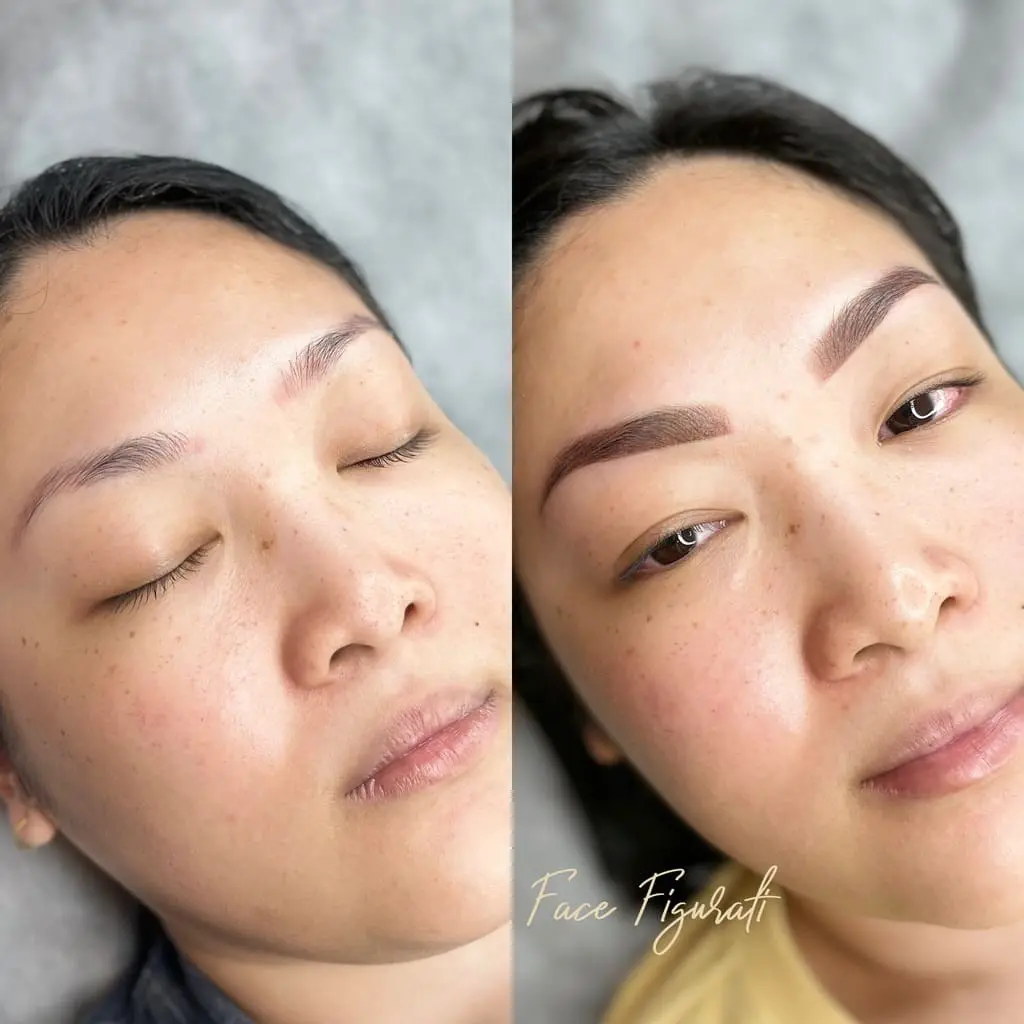
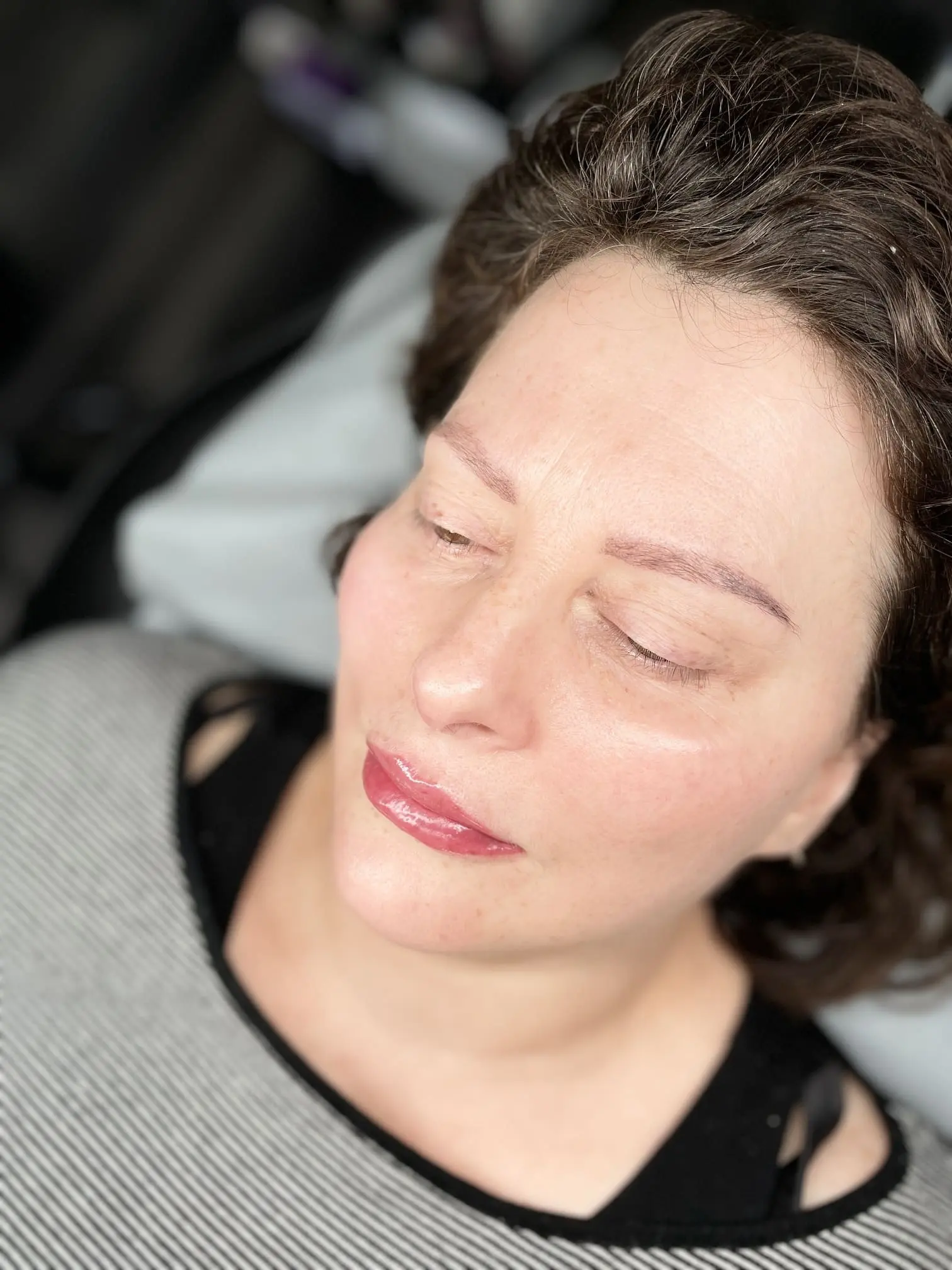
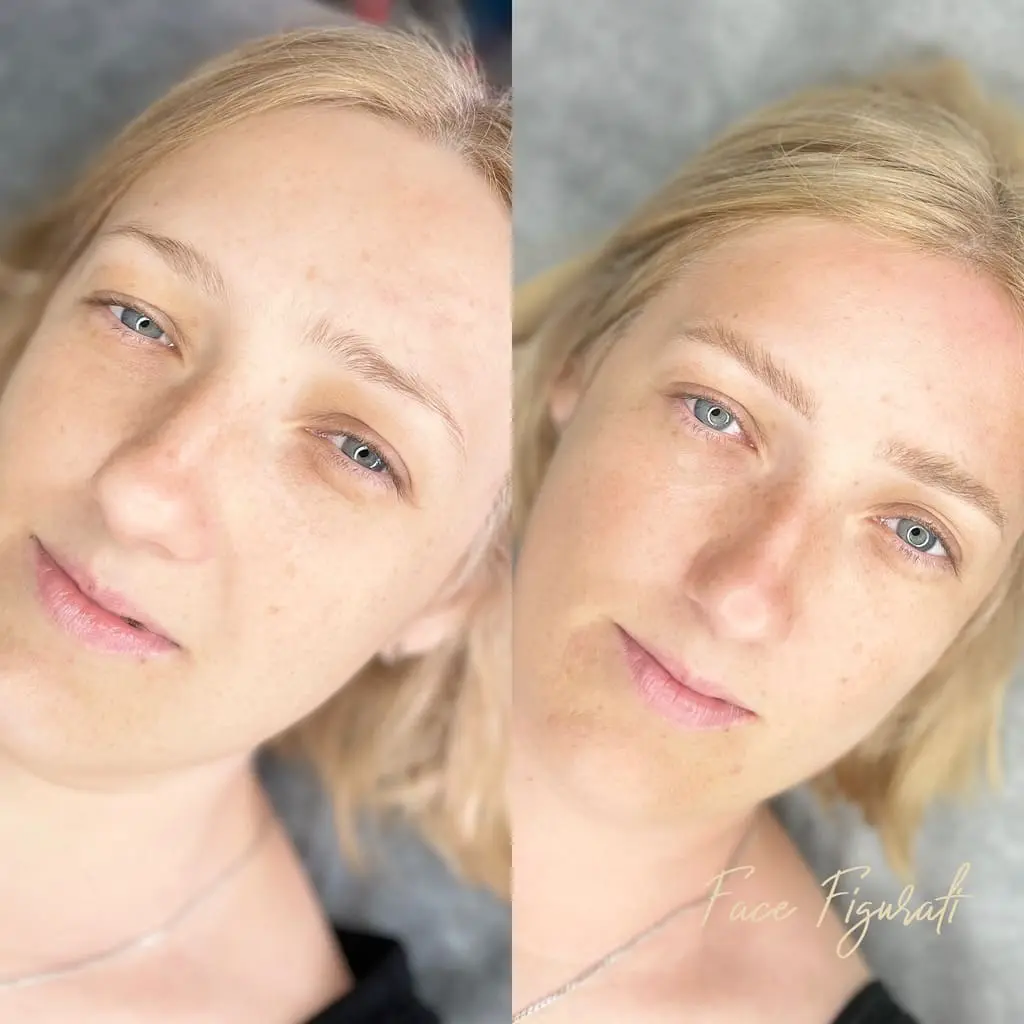
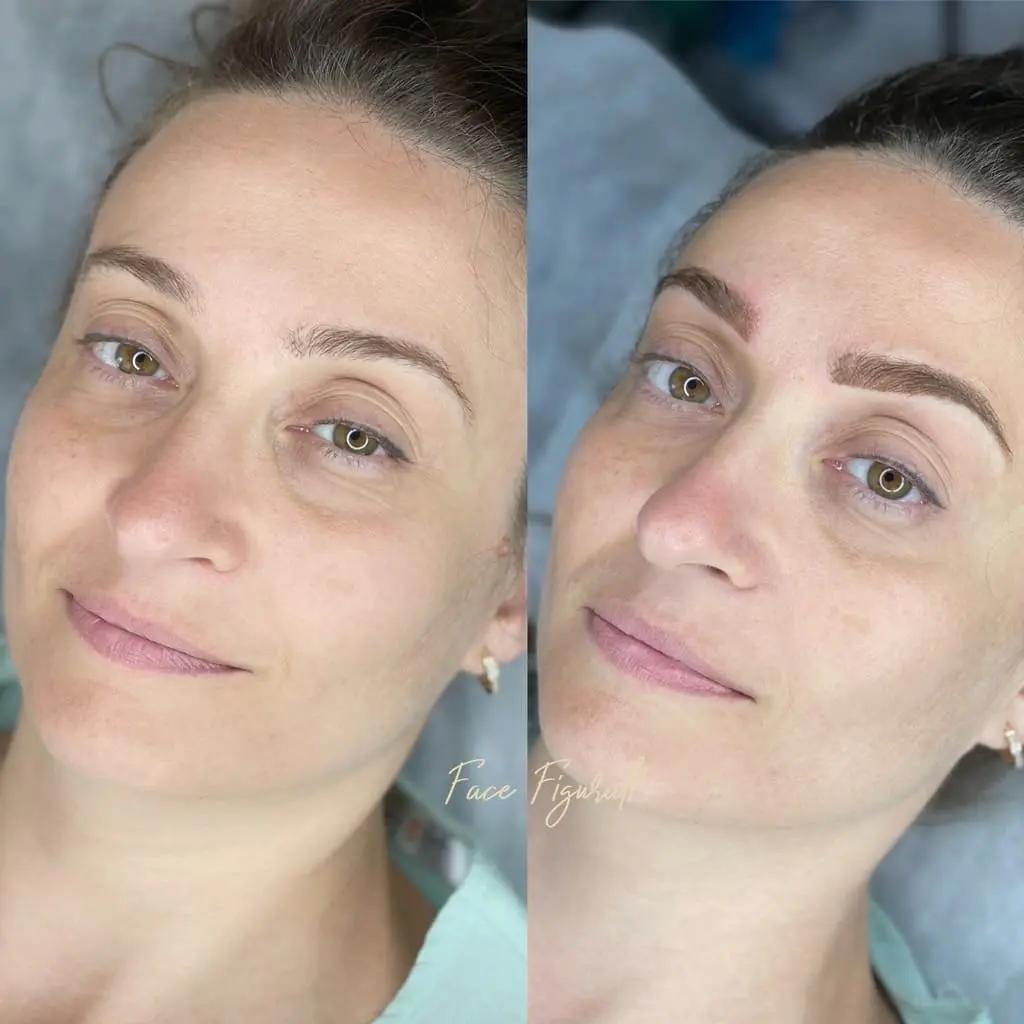
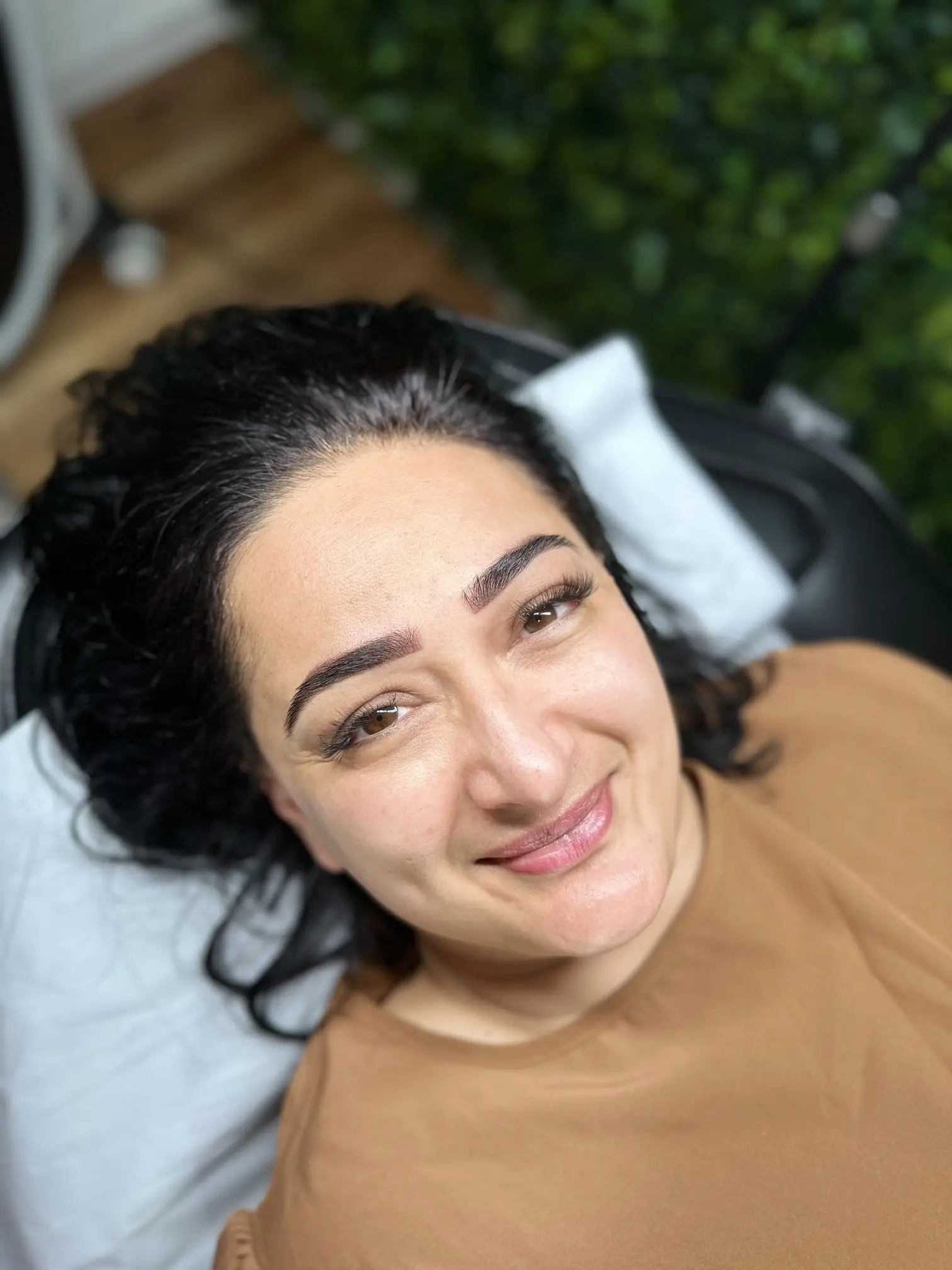
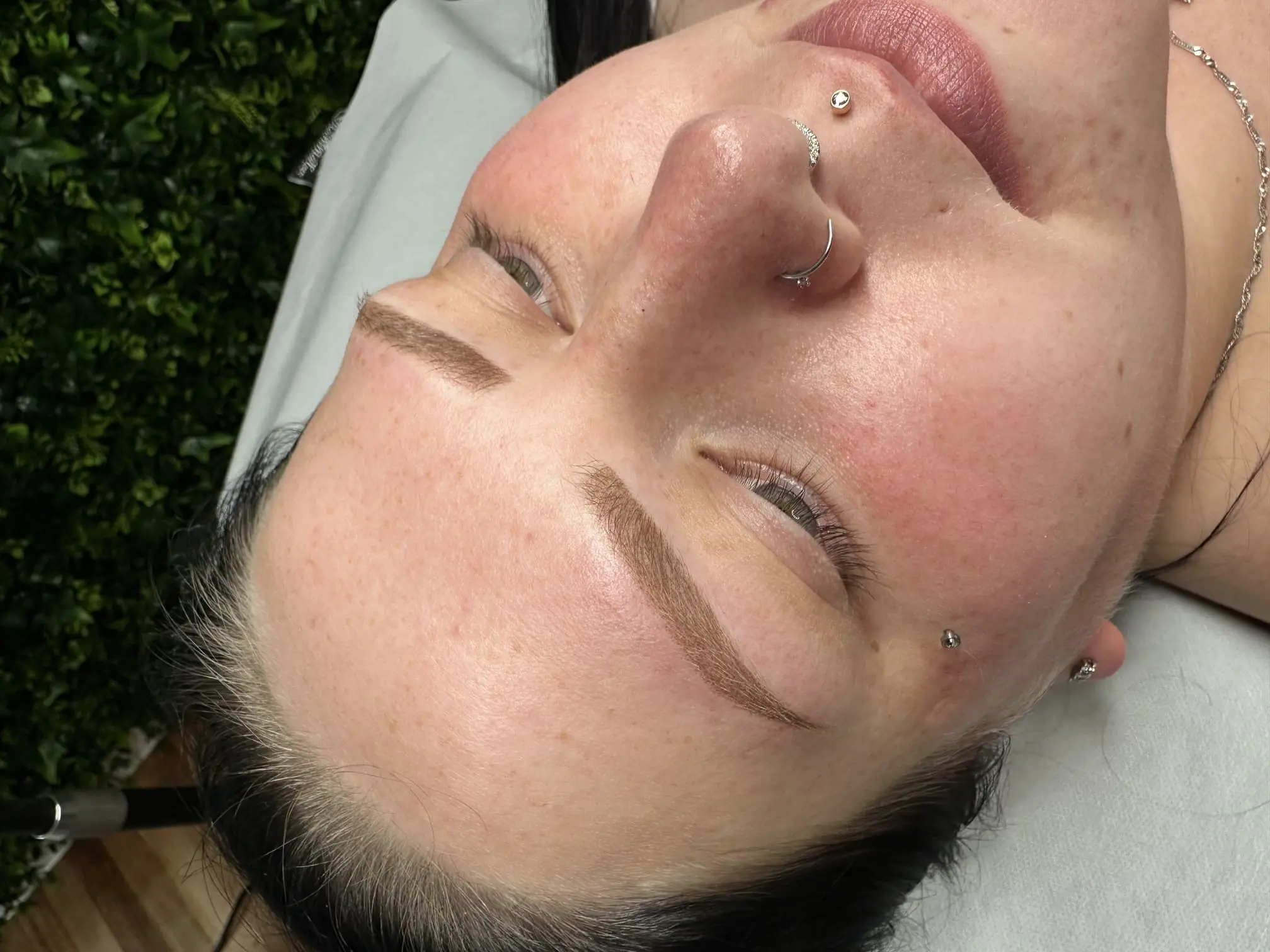
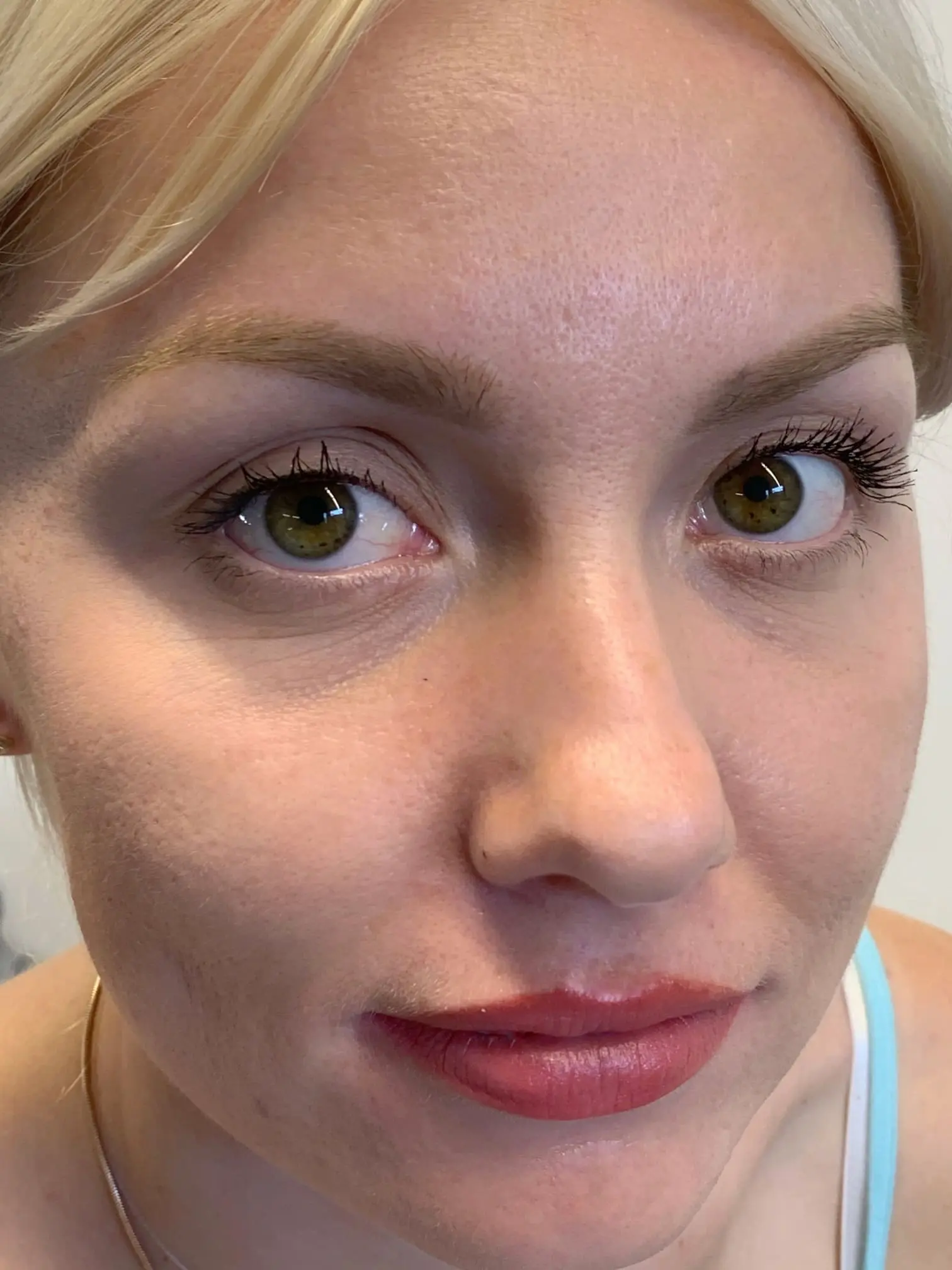
Could you kindly explain what an eyebrow tattoo is
An eyebrow tattoo, a form of cosmetic tattoo procedure, is a semi-permanent makeup practice where a skilled tattoo artist carefully implants decorative tattoo pigment into the upper layers of the skin in the eyebrow area. The procedure is designed to craft a natural-looking eyebrow shape and offer a fuller appearance, eradicating the need for daily makeup application. This technique can be a lifesaver for people with sparse or thin eyebrows due to aging, illness, over-plucking, or their natural brow shape.
Types of Eyebrow Tattoos
The most commonly used types of eyebrow tattoos include microblading, powder brows (or ombre brows), and combination brows. Microblading involves creating individual hair-like strokes, simulating natural hair to mimic natural eyebrow hair. At the same time, powder brows offer a soft, powdered makeup look, ideal for those who want to match their natural or blonde hair. Combination brows are a mix of both techniques. Your desired look, skin type, and lifestyle will determine your best course.
Why do eyebrow tattoos fade quickly
Numerous factors can contribute to the rapid fading of an eyebrow tattoo. We delve into some of the most common ones below.
Skin Type & Healing Process
Your skin type plays a significant role in determining the longevity of an eyebrow tattoo. For instance, oily or combination skin rejects the pigment more rapidly than dry skin due to increased sebum production. Additionally, the healing time of your skin also affects the durability of the tattoo. A slower healing process gives the skin more time to encapsulate the pigment, leading to longer-lasting results.
It's the Ghosting Stage
The pigments didn't go deep enough
The skin does not hold onto pigment
Improper Aftercare
Hypopigmentation in Darker Skin Tones
The Actual Occurrence
How to Avoid Premature Fading of an Eyebrow Tattoo
What is a perfect visit, and why is it important
How to Handle Eyebrow Tattoo Healing Issues
In case of complications such as infection, allergy, or excessive fading, it is recommended to consult your artist or a medical professional immediately. Timely intervention can help mitigate the issue and prevent further complications. Aftercare plays a pivotal role in the healing process and in preventing the build-up of dead skin, so always follow the guidelines provided by your artist.
Remember, it’s normal for an eyebrow tattoo to fade over time. However, if you notice a significant fade within a week, don’t panic. Reach out to your artist, who can identify the cause and suggest a suitable action.